Let’s be honest—if dogs could talk, I’m pretty sure they’d say, “Why is everyone so stressed out all the time?” But as much as we’d like our furry companions to be Zen masters who lead us into a world of endless calm, the truth is that dogs get stressed too. The doorbell rings, a leaf blows by, a squirrel makes eye contact, and boom—chaos! Teaching your dog to relax is just as important as teaching them to sit or come when called, and the good news is, it’s easier than convincing your dog to ignore a sausage on the pavement (trust me, I know).
Why Relaxation Matters
First things first—why bother teaching your dog to chill out? Well, a relaxed dog is a happy dog (and let’s face it, a happy owner). Just like us, dogs can feel stressed, anxious, or overstimulated. By helping them learn to unwind, you’re not just making their life easier—you’re also making life a whole lot calmer for yourself. Imagine fewer zoomies around the living room at 10 p.m. or less barking at the postman. Bliss, right?
Step 1: Set the Mood (Think: Doggy Day Spa)
Before we get into any specific training tips, you’ve got to set the right environment. Think of it like creating a spa day for your dog (minus the cucumbers on their eyes, although… maybe?). Here’s how to get started:
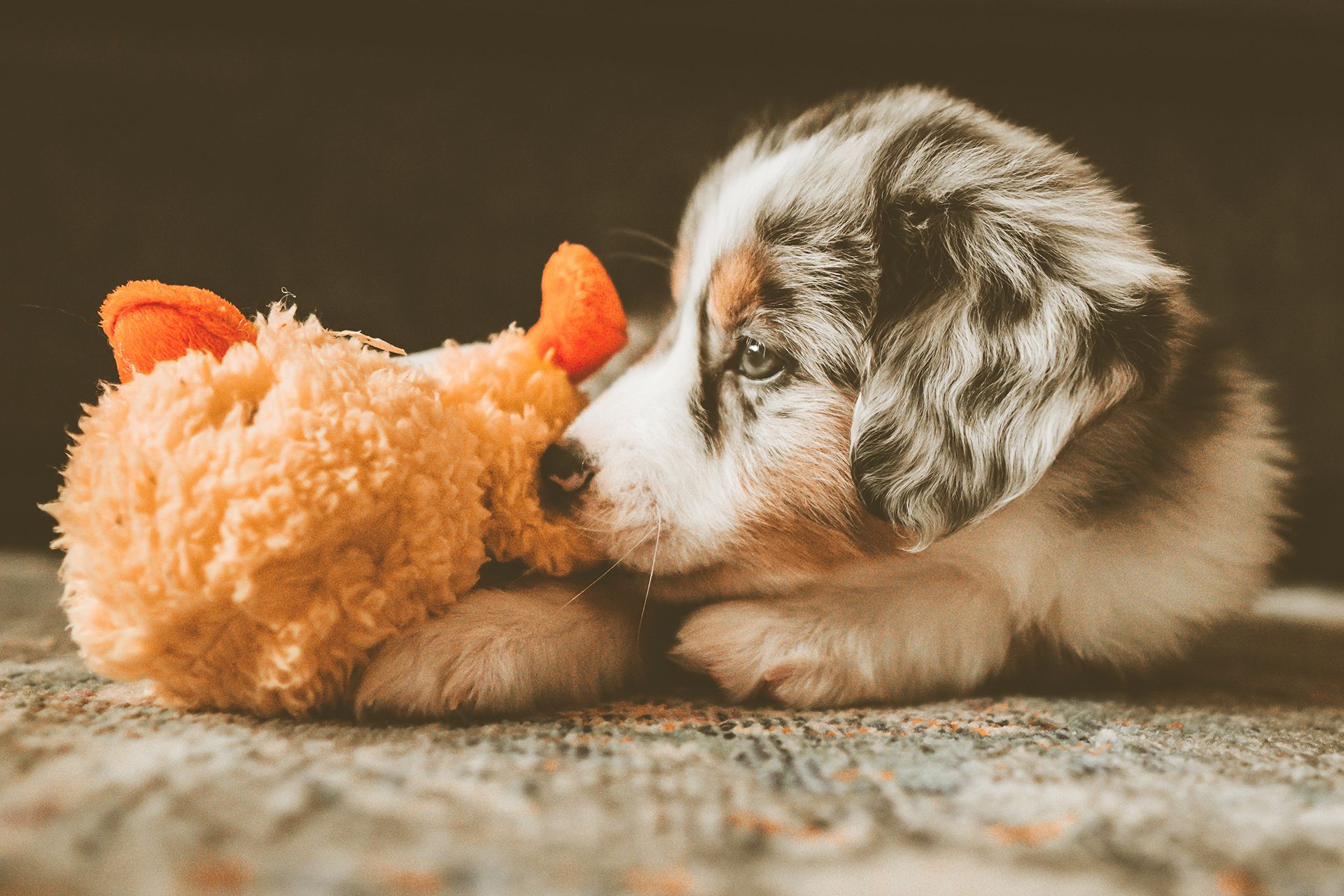
- Create a cosy spot: Find a quiet corner and make it your dog’s sanctuary. A comfy bed, a favourite blanket, maybe even one of those super soft dog toys that they definitely don’t rip apart after five minutes. This is their chill zone.
- Add calming sounds: White noise, soft classical music, or even the gentle hum of a fan can help create a calming atmosphere. It’s like those “relaxing whale sounds” playlists we humans use—except, you know, for dogs.
- Keep distractions low: No squirrel-viewing spots here. You’re trying to get your dog to chill, not plot a neighbourhood critter chase.
Step 2: Teach the ‘Settle’ Command (Like Netflix & Chill, but for Dogs)
This is the cornerstone of relaxation training, and it’s a bit like telling your dog, “Hey, mate, just take it easy.” Here’s how to train your dog to settle:
- Pick a calming spot: Remember that doggy spa day spot? Perfect. Take your dog there, and when they lie down naturally (or with a little guidance), give them a treat and say “settle.”
- Repeat: Over time, your dog will associate lying down calmly in that spot with getting a treat. Eventually, they’ll do it just because it feels good. No yoga mat required.
- Increase the time: Once your dog understands “settle,” gradually increase how long they stay there. Start with 10 seconds, then 30, then a full minute. Give them treats at intervals, so they know relaxing pays off.
- Reward calm behaviour: The key is to reward your dog for staying calm, not for getting up or running around. Don’t accidentally reinforce the squirrel-chasing mindset!
Step 3: Introduce Relaxation on Cue (Yes, You Can Train Calmness!)
If only someone had taught us to relax on cue when we were younger, right? Well, you can do that for your dog! Pair a calming cue (like “relax” or “chill”) with their settling behaviour, so they start to associate the word with being calm. You’ll feel like a dog-whispering magician when you say “relax,” and they flop onto their bed, zen as can be.
Step 4: Use Enrichment to Tire Them Out (A Tired Dog is a Relaxed Dog)
Sometimes, dogs just have too much energy to relax. I mean, imagine asking a toddler to chill out after they’ve had sugar—it’s not happening. But after a good walk, some mental stimulation (like puzzle toys), or a bit of training, they’re far more likely to settle down and relax. Think of it as burning off that extra zoomie fuel.
Enrichment activities like sniffing games, food puzzles, or good old-fashioned training sessions tire out their brains, which leads to better relaxation later. Plus, it’s a great way to keep them from getting bored while you’re catching up on Bridgerton (don’t worry, no judgement here).
Step 5: Practice Relaxation in Different Settings (Because Life Happens)
Once your dog is a relaxation pro at home, take it on the road! Try practicing in different settings like the park, the garden, or even a café (if your dog is into lattes, of course). Start small—just ask for a short “settle” in these new places, and gradually increase the challenge. The goal is for your dog to be able to relax no matter where they are, even if the world is a little more exciting than their favourite snooze spot.
Final Thoughts: Rome Wasn’t Built in a Day (And Neither is Doggy Relaxation)
Like any good training, teaching your dog to relax takes time, patience, and a few treats along the way. It’s not about perfection—it’s about progress. Some days your dog might be a total Zen master, and other days, well… they might be a bit more “squirrel-focused.” But stick with it, and you’ll soon have a calmer, happier dog who knows how to unwind with the best of them.
And let’s be real—if your dog can learn to relax, maybe you can too. Now where’s that calming playlist…
Got a dog who’s more chaos than calm? I’m here to help! Whether your dog needs some relaxation training or you’re just hoping for fewer zoomies, let’s chat. Curious? Let’s connect!